
Articles
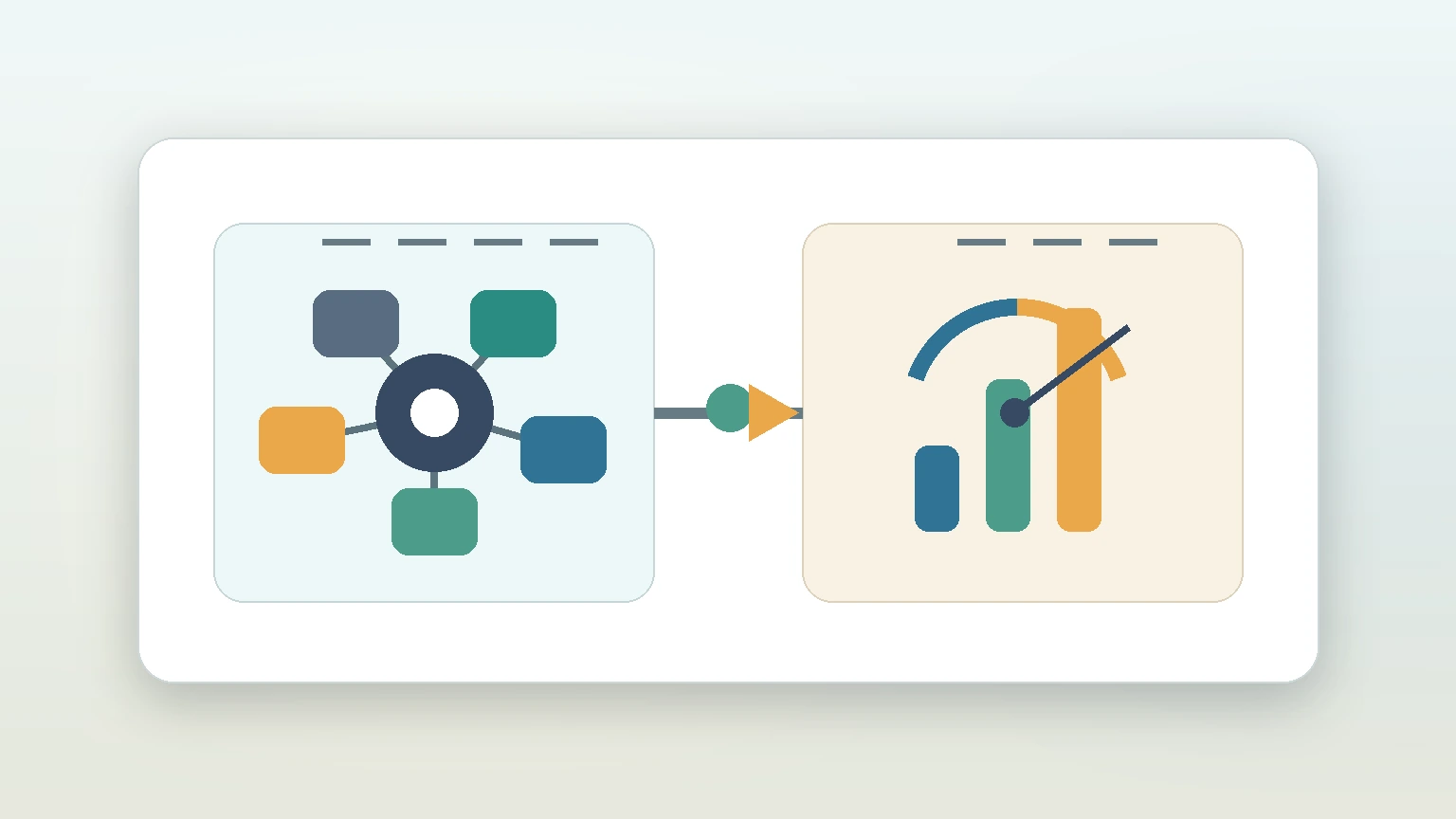
MER and ROAS both compare revenue with spend, but they are usually used at different levels of reporting.
MER means marketing efficiency ratio. It compares total revenue with total marketing spend. It is often used as a blended business-level metric, especially when attribution is imperfect or channels influence each other.
ROAS means return on ad spend. It usually compares attributed revenue with ad spend for a campaign, channel, ad set, or platform. It is useful for optimizing paid media inside specific reporting views.
The difference is scope. ROAS is narrower and more tactical. MER is broader and more strategic. A single campaign can have strong ROAS while total MER is weak if other spend is inefficient. Total MER can also look stable while one channel is declining.
Use the MER Calculator at /tools/mer-calculator to understand blended efficiency. Use the ROAS Calculator at /tools/roas-calculator to review campaign-level efficiency. AOV, LTV, CAC, CPA, and ROI add the next layer of context.
MER vs ROAS: what is the difference
MER and ROAS both compare revenue with spend, but they answer different reporting questions. Learn how to use both.
MER means marketing efficiency ratio. It compares total revenue with total marketing spend. It is often used as a blended business-level metric, especially when attribution is imperfect or channels influence each other.
ROAS means return on ad spend. It usually compares attributed revenue with ad spend for a campaign, channel, ad set, or platform. It is useful for optimizing paid media inside specific reporting views.
The difference is scope. ROAS is narrower and more tactical. MER is broader and more strategic. A single campaign can have strong ROAS while total MER is weak if other spend is inefficient. Total MER can also look stable while one channel is declining.
Use the MER Calculator at /tools/mer-calculator to understand blended efficiency. Use the ROAS Calculator at /tools/roas-calculator to review campaign-level efficiency. AOV, LTV, CAC, CPA, and ROI add the next layer of context.
MER
ROAS
Paid Ads
Related reading
CAC payback examples for paid marketing
Review CAC payback examples and see how margin and customer acquisition cost affect payback time.
How to calculate marketing funnel conversion rates
Learn how to calculate visitor-to-lead, lead-to-opportunity, and full-funnel conversion rates.
How to calculate lead-to-sale conversion rate
Learn the lead-to-sale conversion rate formula and how it connects lead generation to revenue.
Lead source ROI vs cost per lead
Lead source ROI and CPL answer different campaign questions. Learn why cheap leads are not always better.
Lead-to-sale conversion rate vs lead conversion rate
Lead-to-sale conversion rate is a narrower revenue-focused version of lead conversion rate.
CPA vs CAC: what is the difference
CPA and CAC both measure acquisition cost, but they are not always the same. Learn how marketers should compare them.
Useful tools
ROAS Calculator
Calculate return on ad spend from ad revenue and campaign spend, then see how much revenue each dollar of advertising produced.
MER Calculator
Calculate marketing efficiency ratio from total revenue and total marketing spend for blended paid marketing performance.
AOV Calculator
Calculate average order value from total revenue and number of orders for ecommerce, ads, and store performance reporting.
CPA Calculator
Calculate cost per acquisition from ad spend and acquisitions or conversions for paid marketing campaigns.
Ad Spend Calculator
Estimate ad spend and daily budget from target revenue, target ROAS, and campaign length.
ROI Calculator
Calculate ROI percentage and net return from revenue and investment cost.