
Articles
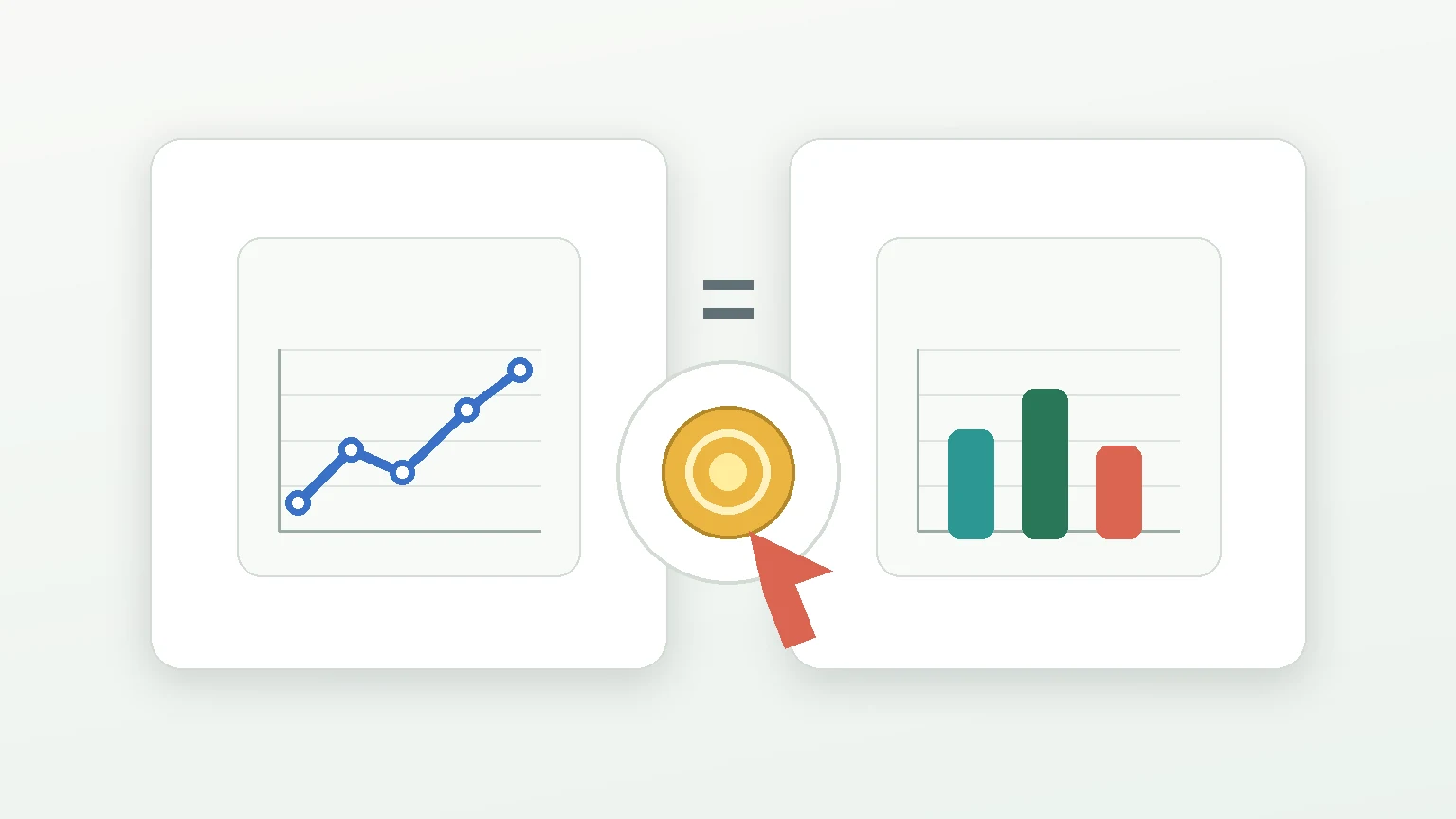
CTR and conversion rate are often reviewed together, but they measure different moments in the funnel.
CTR means click-through rate. It measures how many people clicked after seeing an impression. It is useful for ads, emails, search results, and banners because it tells you whether the message is earning attention.
Conversion rate measures how many visitors or sessions completed a desired action after they arrived. That action might be a purchase, signup, lead form, trial start, or checkout step.
A campaign can have strong CTR and weak conversion rate. That usually means the ad or headline is getting clicks, but the landing page, offer, audience match, or checkout path needs work. A campaign can also have low CTR and strong conversion rate, which may mean the offer works for the right people but the creative is not reaching enough qualified users.
Use the CTR Calculator at /tools/ctr-calculator to measure the click from impressions. Then use the Conversion Rate Calculator at /tools/conversion-rate-calculator to measure the action after the click. CPC, CAC, ROAS, and ROI help show whether the full campaign is worth scaling.
CTR vs conversion rate: what is the difference
CTR and conversion rate measure different moments in a funnel. Learn when each metric matters and how to compare them together.
CTR means click-through rate. It measures how many people clicked after seeing an impression. It is useful for ads, emails, search results, and banners because it tells you whether the message is earning attention.
Conversion rate measures how many visitors or sessions completed a desired action after they arrived. That action might be a purchase, signup, lead form, trial start, or checkout step.
A campaign can have strong CTR and weak conversion rate. That usually means the ad or headline is getting clicks, but the landing page, offer, audience match, or checkout path needs work. A campaign can also have low CTR and strong conversion rate, which may mean the offer works for the right people but the creative is not reaching enough qualified users.
Use the CTR Calculator at /tools/ctr-calculator to measure the click from impressions. Then use the Conversion Rate Calculator at /tools/conversion-rate-calculator to measure the action after the click. CPC, CAC, ROAS, and ROI help show whether the full campaign is worth scaling.
CTR
Conversion Rate
Paid Ads
Related reading
CAC payback examples for paid marketing
Review CAC payback examples and see how margin and customer acquisition cost affect payback time.
How to calculate marketing funnel conversion rates
Learn how to calculate visitor-to-lead, lead-to-opportunity, and full-funnel conversion rates.
How to calculate lead-to-sale conversion rate
Learn the lead-to-sale conversion rate formula and how it connects lead generation to revenue.
Lead source ROI vs cost per lead
Lead source ROI and CPL answer different campaign questions. Learn why cheap leads are not always better.
Lead-to-sale conversion rate vs lead conversion rate
Lead-to-sale conversion rate is a narrower revenue-focused version of lead conversion rate.
CPA vs CAC: what is the difference
CPA and CAC both measure acquisition cost, but they are not always the same. Learn how marketers should compare them.
Useful tools
Conversion Rate Calculator
Calculate conversion rate from visitors or sessions and the number of conversions.
CTR Calculator
Calculate click-through rate from impressions and clicks for ads, emails, search results, and campaign reports.
ROAS Calculator
Calculate return on ad spend from ad revenue and campaign spend, then see how much revenue each dollar of advertising produced.
ROI Calculator
Calculate ROI percentage and net return from revenue and investment cost.
CPC Calculator
Use this free CPC calculator to estimate cost per click from total ad spend and clicks across paid marketing campaigns.
CAC Calculator
Calculate customer acquisition cost from total sales and marketing spend and the number of new customers acquired.