
Articles
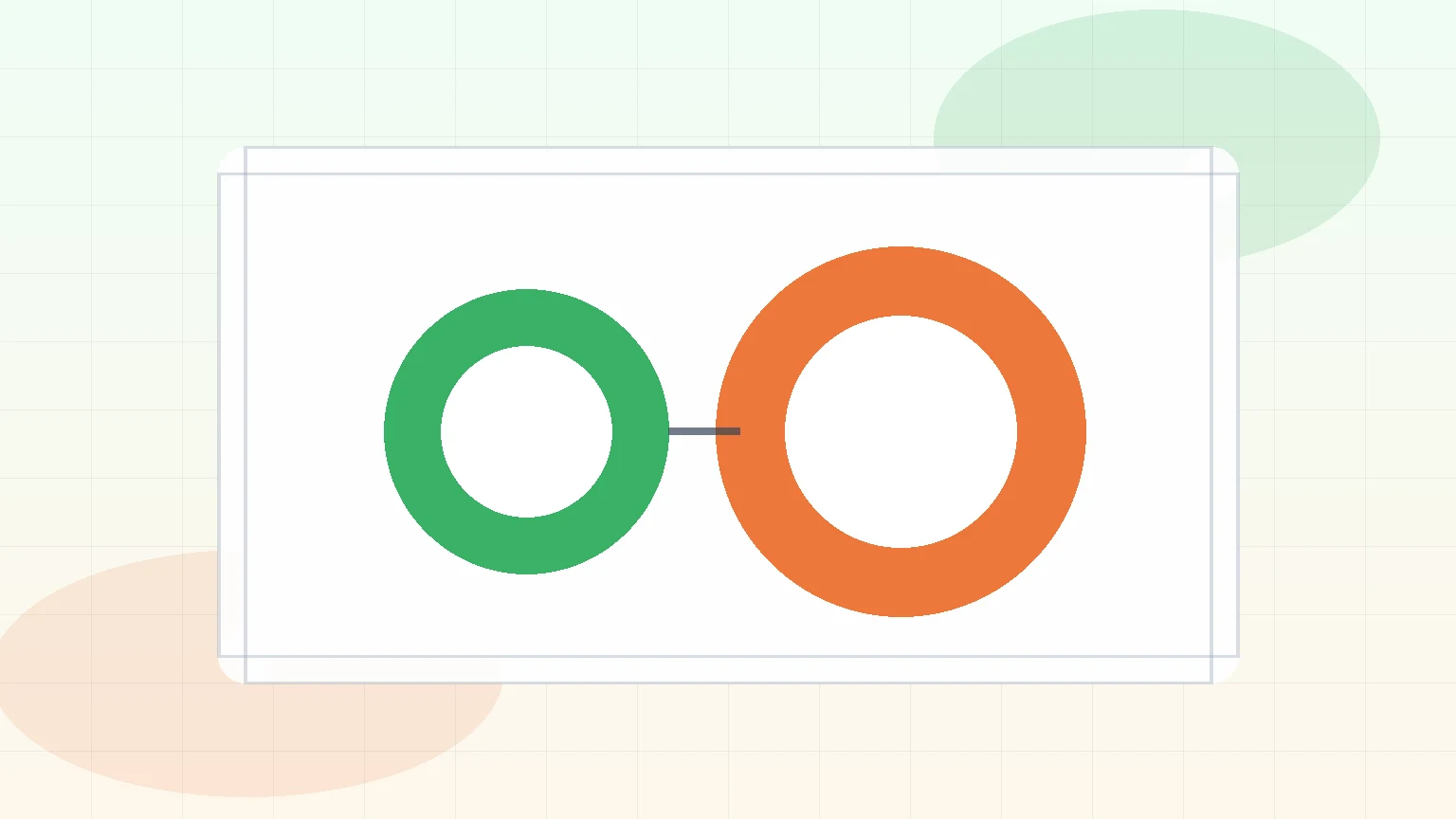
LTV:CAC ratio benchmarks help compare customer value with acquisition cost.
A common starting point is to look for LTV to be meaningfully higher than CAC, but the right ratio depends on margin, growth stage, cash flow, and retention quality.
Example: If LTV is 240 and CAC is 80, the ratio is 3.0. If CAC is 120, the ratio falls to 2.0. If retention improves and LTV rises to 360, the ratio improves again even with the same CAC.
A very high ratio is not always perfect. It may mean the brand is underinvesting in growth. A very low ratio can mean acquisition is too expensive or retention is too weak.
Use the LTV Calculator at /tools/ltv-calculator and CAC Calculator at /tools/cac-calculator, then compare with AOV at /tools/aov-calculator.
LTV CAC ratio benchmarks for ecommerce
LTV:CAC ratio benchmarks help ecommerce teams compare customer value with acquisition cost.
A common starting point is to look for LTV to be meaningfully higher than CAC, but the right ratio depends on margin, growth stage, cash flow, and retention quality.
Example: If LTV is 240 and CAC is 80, the ratio is 3.0. If CAC is 120, the ratio falls to 2.0. If retention improves and LTV rises to 360, the ratio improves again even with the same CAC.
A very high ratio is not always perfect. It may mean the brand is underinvesting in growth. A very low ratio can mean acquisition is too expensive or retention is too weak.
Use the LTV Calculator at /tools/ltv-calculator and CAC Calculator at /tools/cac-calculator, then compare with AOV at /tools/aov-calculator.
LTV
CAC
ecommerce
Related reading
CAC payback examples for paid marketing
Review CAC payback examples and see how margin and customer acquisition cost affect payback time.
How to calculate marketing funnel conversion rates
Learn how to calculate visitor-to-lead, lead-to-opportunity, and full-funnel conversion rates.
How to calculate lead-to-sale conversion rate
Learn the lead-to-sale conversion rate formula and how it connects lead generation to revenue.
Lead source ROI vs cost per lead
Lead source ROI and CPL answer different campaign questions. Learn why cheap leads are not always better.
Lead-to-sale conversion rate vs lead conversion rate
Lead-to-sale conversion rate is a narrower revenue-focused version of lead conversion rate.
CPA vs CAC: what is the difference
CPA and CAC both measure acquisition cost, but they are not always the same. Learn how marketers should compare them.
Useful tools
LTV Calculator
Calculate customer lifetime value from average order value, purchase frequency, customer lifespan, margin, and CAC.
CAC Calculator
Calculate customer acquisition cost from total sales and marketing spend and the number of new customers acquired.
AOV Calculator
Calculate average order value from total revenue and number of orders for ecommerce, ads, and store performance reporting.
MER Calculator
Calculate marketing efficiency ratio from total revenue and total marketing spend for blended paid marketing performance.
Payback Period Calculator
Calculate customer acquisition payback period from CAC, monthly revenue per customer, and gross margin.
Blended ROAS Calculator
Calculate blended ROAS from total revenue and total ad spend across channels.